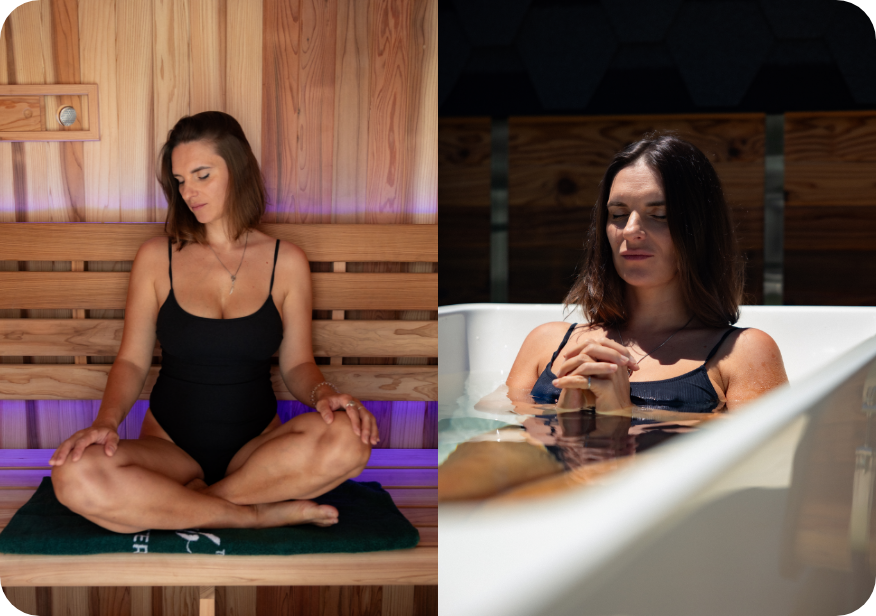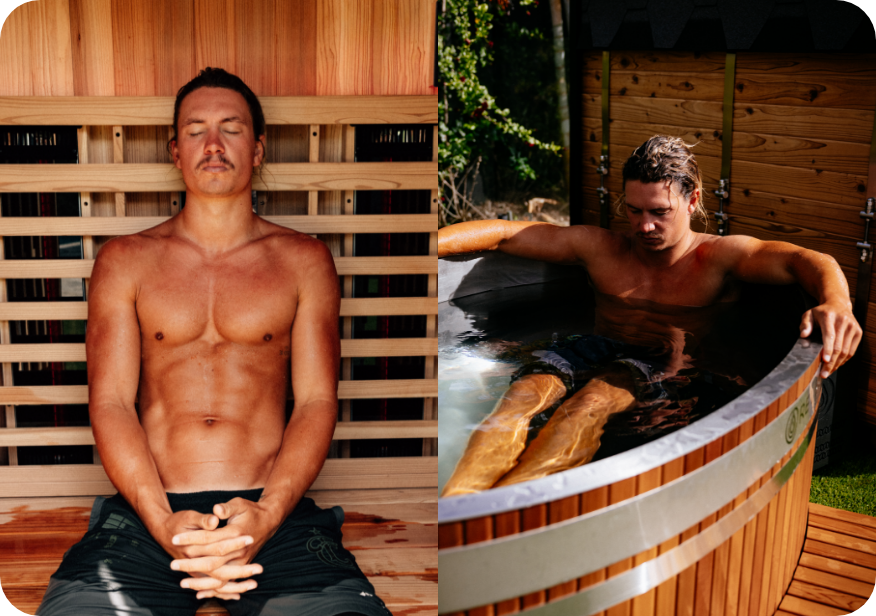
Sauna

Cold Plunge

Contrast Therapy

CONTRAST THERAPY PROTOCOLS

Research Backed Hot & Cold Benefits.

The full protocol, alternating hot and cold to compound the benefits of both.

Alternating between heat and cold - typically 10–20 minutes in a sauna followed by 2–5 minutes in an ice bath - amplifies circulation, reduces inflammation more effectively than either modality alone, and produces a measurable shift toward parasympathetic recovery. These protocols show you how to sequence contrast therapy for your specific goal.

The standard number of minutes spent in heat for every 1 minute of cold.

The optimal number of heat to cold cycles recommended per contrast session.

The minimum total number of minutes required to effectively trigger vascular flushing.

°C

The maximum cold water temperature allowed to achieve a true contrast shock response.
Master the Elements

Contrast Therapy Protocols.

The Athletic Recovery Protocol

SEQUENCE

Heat → cold, repeat 3–4 rounds

FREQUENCY

Right after hard training, 2–3x/week

TEMP

75–85°C(Trad) · 45–55°C (IR) · 10–15°C cold

TIME

~15–20 min heat + 45–60 sec cold

GOAL

Better circulation & less soreness, under 25 min total

Total session under 25 minutes. A 2024 randomised controlled trial in professional MMA fighters found combined heat-cold-pressure therapy improved muscle tone, tissue perfusion, and pain threshold versus sham treatment. Note: that study added compression and was delivered across 3 sessions (immediately, 24h, and 48h post-exercise) - not a single alternating round like this protocol.

J Human Kinetics, 2024 (PMC11571465)

The Metabolic Protocol

SEQUENCE

Heat → cold, ~57 min sauna + ~11 min cold/week; spread across 2–3 sessions

FREQUENCY

2–3 sessions per week

TEMP

75–85°C(Trad) · 45–55°C (IR) · 2–7°C cold

TIME

~15–20 min heat + 1–3 min cold

GOAL

Metabolic health, brown fat, insulin sensitivity

Alternating sauna and cold water this way was linked to greater brown fat activation, improved insulin sensitivity, and better metabolic health overall - benefits tied to the heat-and-cold combination, not cold exposure alone. Participants who kept up this rhythm consistently also reported feeling more energised and regulated day to day.

Søberg S et al., Cell Reports Medicine, 2021

The Finish Strong Protocol

SEQUENCE

1 round, single hot-to-cold or cold-to-hot transition End cold for energy, end warm to wind down

FREQUENCY

Choose per session, based on time of day

TEMP

80–90°C(Trad) · 50–60°C (IR) · 10–15°C cold

TIME

15–25 min heat + 30–60 sec cold

GOAL

Match your nervous system state to your goal

End on cold when you need energy - it raises catecholamines and alertness for hours afterward. End on warm when you want to wind down - repeated heat rounds lower cortisol and shift the body toward rest-and-digest mode, making it easier to relax into sleep. Pick the order based on what you need from the session, morning energy or evening calm.

Šrámek P et al., 2000; Podstawski R et al., 2021

Maximised Circulation

Accelerated Muscle Recovery

Increased Hormetic Resilience

Improved Mood & Energy

Learn More

How Long to Sauna & Cold Plunge for Key Benefits 

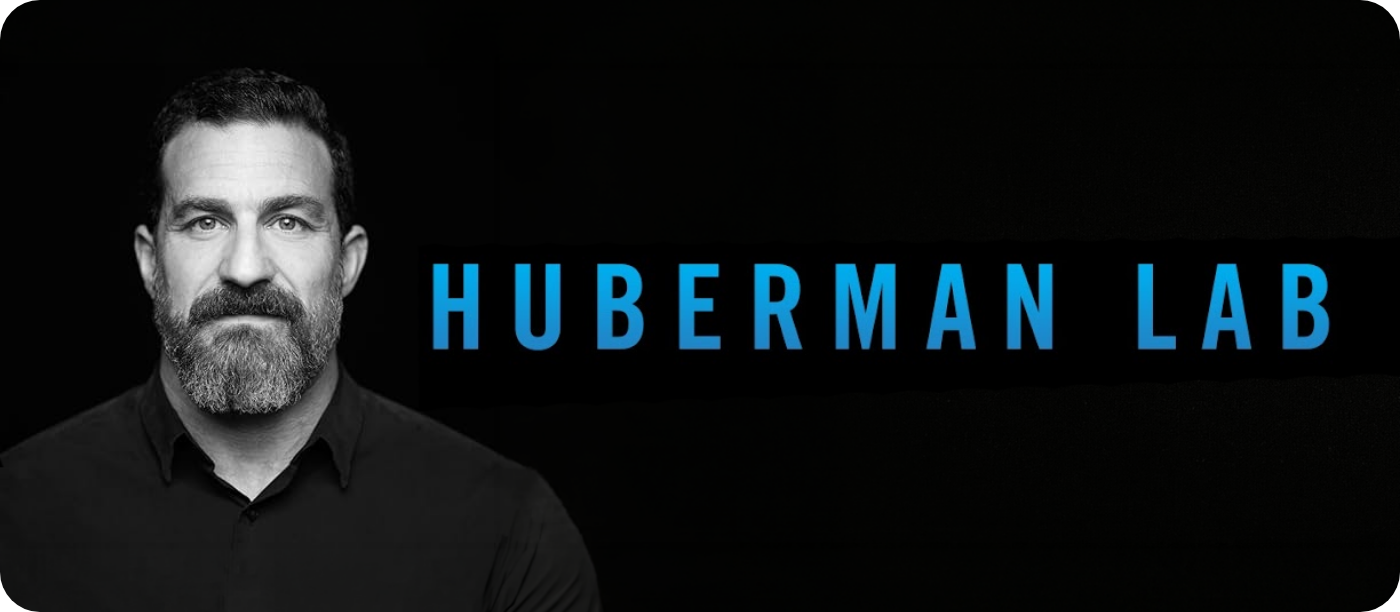
Dr. Andrew Huberman is a neuroscientist and tenured professor in the Department of Neurobiology at the Stanford University School of Medicine. He is currently the creator and host of the globally top-ranked Huberman Lab podcast.

WATCH NOW

MaximiSing Health with Exercise, Sauna, & Cold Exposure

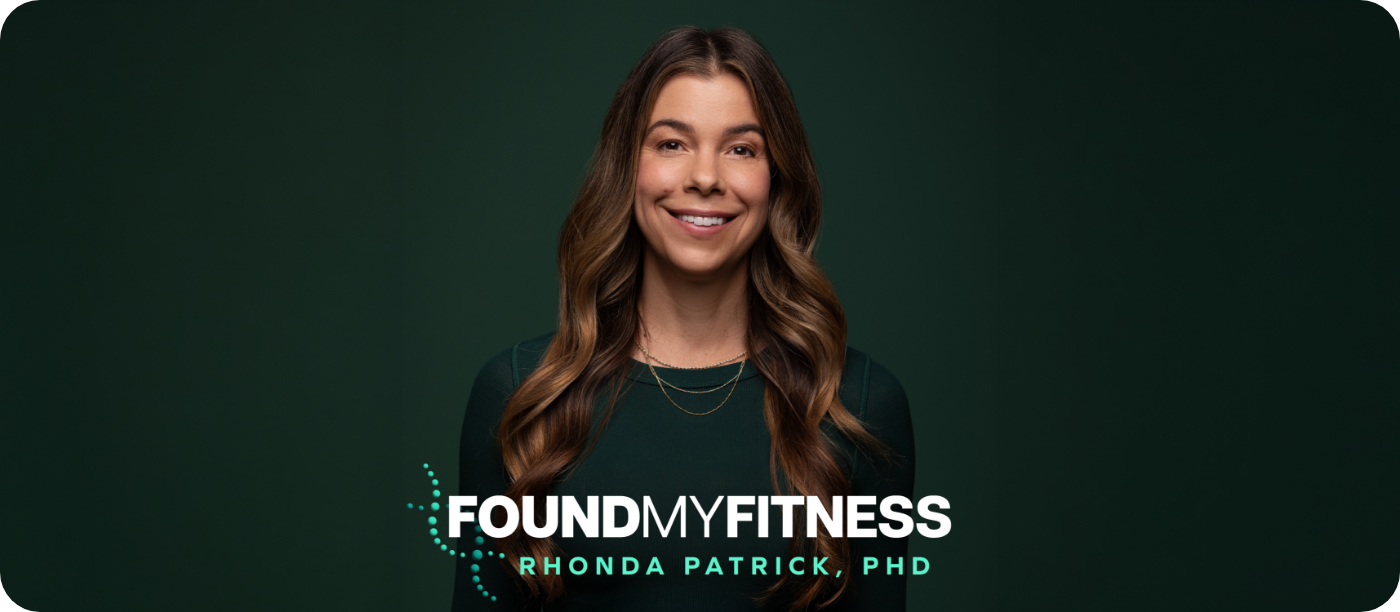
Dr. Rhonda Patrick is a cell biologist with a Ph.D. in biomedical science from the University of Tennessee Health Science Center and St. Jude Children's Research Hospital. Dr. Patrick is the Co-Founder of FoundMyFitness.com.

WATCH NOW

THE RITUAL IS SIMPLE

Heat. Cold. Repeat.

Protocols summarised from peer-reviewed and published research (Laukkanen, Søberg, Roberts, Podstawski) and Huberman Lab. Individual results vary, and heat and cold therapy aren’t right for everyone. Talk to your doctor before starting a new protocol, especially if you’re pregnant or manage a cardiovascular condition.

FAQs

What temperature should contrast therapy be?

Heat rounds run 75–90°C for traditional sauna or 45–60°C for infrared, alternated with cold plunges at 2–15°C depending on the protocol goal. Infrared sessions need roughly double the time of traditional sauna rounds to reach the same effect.

How many rounds of hot and cold should I do?

2–4 rounds is the typical range, using a 3:1 ratio of heat to cold minutes, for a total session of 20–25 minutes.

Should you end contrast therapy on hot or cold?

It depends on your goal. Ending cold tends to raise alertness and energy for hours afterward; ending hot lowers cortisol and promotes relaxation before sleep. No study has directly compared the two orders, so this is a practical choice based on timing, not a proven protocol.

Is contrast therapy better than sauna or cold plunge alone?

It's not proven to be superior, but the physiological logic is sound: alternating vasodilation and vasoconstriction moves blood and lymph more forcefully than either temperature alone. Contrast therapy has less dedicated research than sauna or cold exposure studied separately.