Lower CVD mortality at 4–7 sessions/week vs once weekly
Lower all cause mortality at the same frequency
Lower risk of sudden cardiac death
Adults tracked, mean age 63, 20+ year follow up

SAUNA PROTOCOLS
Deep, dry heat that raises core temperature and puts the cardiovascular system to work.
Regular sauna use reduces long-term cardiovascular risk, accelerates muscle recovery through heat shock protein activation, and lowers cortisol before sleep. The benefit you get depends on when you use it, how long you stay in, and how often. These protocols give you the right dose for each goal.
Lower CVD mortality at 4–7 sessions/week vs once weekly
Lower all cause mortality at the same frequency
Lower risk of sudden cardiac death
Adults tracked, mean age 63, 20+ year follow up
Sauna is the most longitudinally studied heat intervention in the world. Dr. Jari Laukkanen's cohort study at the University of Eastern Finland followed 1,688 adults (mean age 63) for over 20 years, isolating sauna frequency as an independent predictor of cardiovascular outcomes, controlled for smoking and exercise.
FIND YOUR RITUAL

FREQUENCY
4–7 sessions per week
TEMP
75–85°C (Trad) · 45–55°C (IR)
TIME
15–20 min (Trad) · 25–35 min (IR)
GOAL
Long term cardiovascular risk reduction
The most studied sauna dose in the literature. Higher weekly frequency tracked with a 50% drop in cardiovascular mortality versus once weekly use.
Laukkanen JA et al., JAMA Internal Medicine, 2015

TIMING
Within 30 min of finishing training
TEMP
80–90°C (Trad) · 45–55°C (IR)
TIME
15 (Trad) · 20 min (IR)
GOAL
Faster neuromuscular recovery, less soreness
Activates heat shock protein HSP70, which repairs damaged muscle fibres and calms inflammation, shown to restore jump performance and cut soreness within 14 hours.
Frontiers in Sports & Active Living, 2025
TIMING
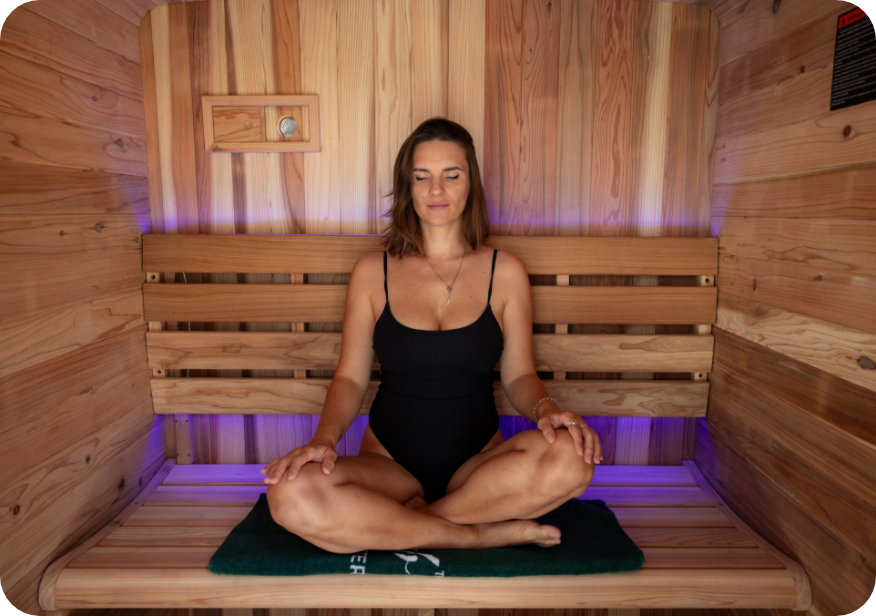
60–90 min before bed
TEMP
75–85°C (Trad) · 50–60°C (IR)
TIME
115–30 min (Trad) · 20–30 min (IR)
GOAL
Lower cortisol, faster sleep onset
2 x 12 minute rounds produced a measurable drop in resting cortisol and a shift toward parasympathetic (“rest and digest”) dominance.
Podstawski R et al., 2021

Improved Cardiovascular Health

Pain Relief for Sore Muscles

Detoxification Through Sweat

Improved Sleep Quality

Benefits of Sauna & Deliberate Heat Exposure
Dr. Andrew Huberman is a neuroscientist and tenured professor in the Department of Neurobiology at the Stanford University School of Medicine. He is currently the creator and host of the globally top-ranked Huberman Lab podcast.

Sauna Benefits Deep Dive & Optimal Use
Dr. Rhonda Patrick is a cell biologist with a Ph.D. in biomedical science from the University of Tennessee Health Science Center and St. Jude Children's Research Hospital. Dr. Patrick is the Co-Founder of FoundMyFitness.com.
THE RITUAL IS SIMPLE
Protocols summarised from peer-reviewed and published research (Laukkanen, Søberg, Roberts, Podstawski) and Huberman Lab. Individual results vary, and heat and cold therapy aren’t right for everyone. Talk to your doctor before starting a new protocol, especially if you’re pregnant or manage a cardiovascular condition.
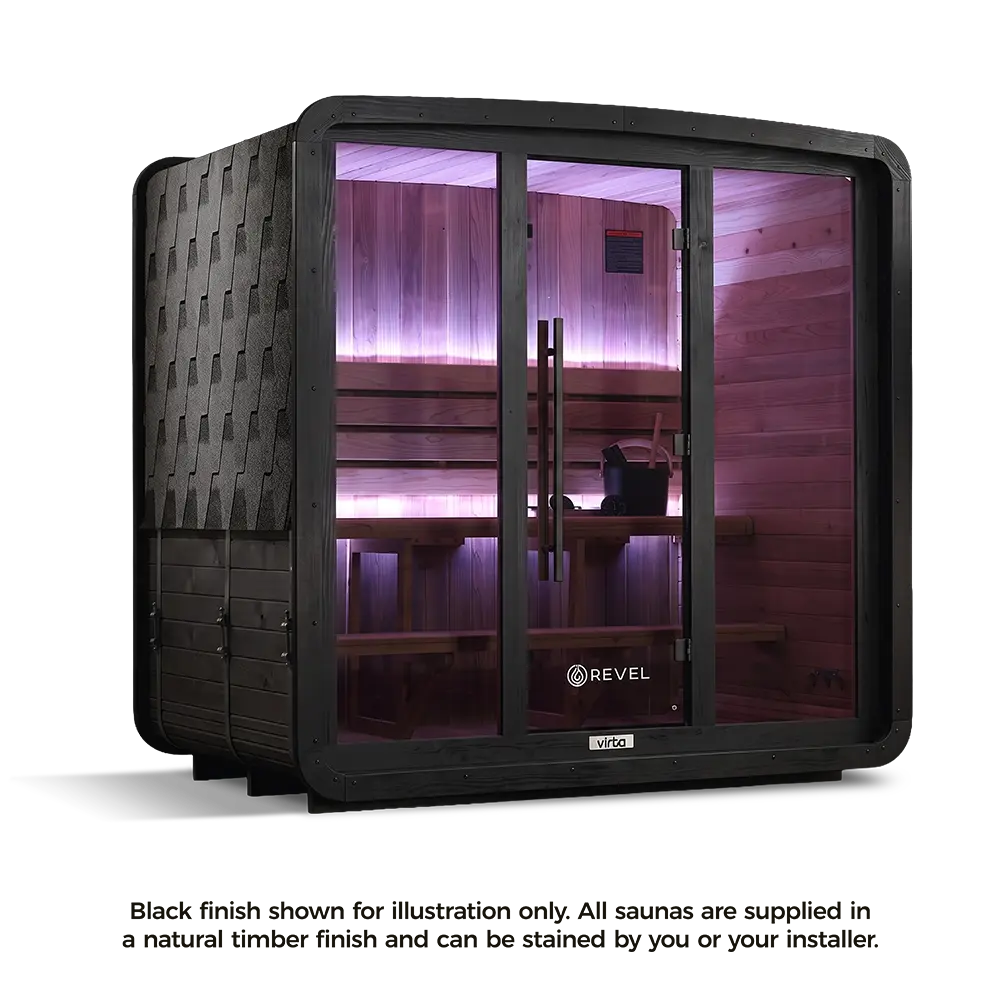

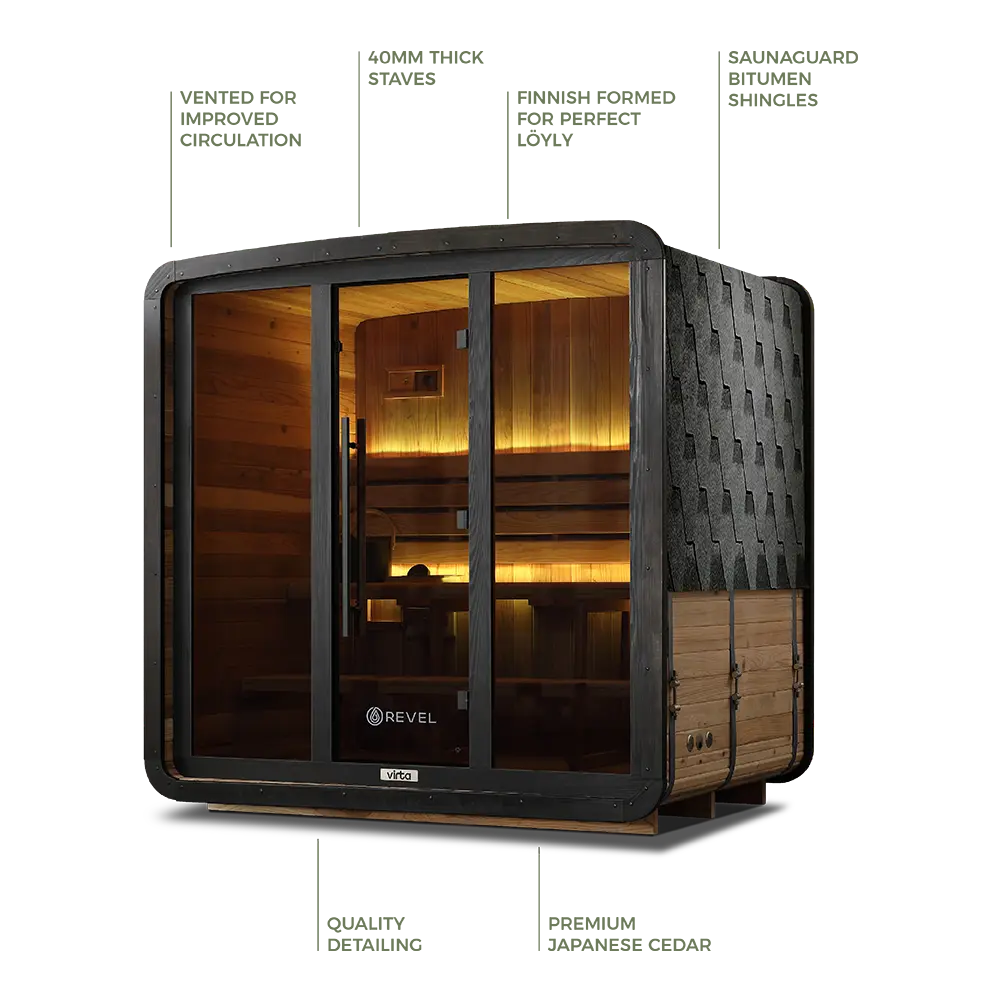

Revel Virta 4 Person Traditional Cabin

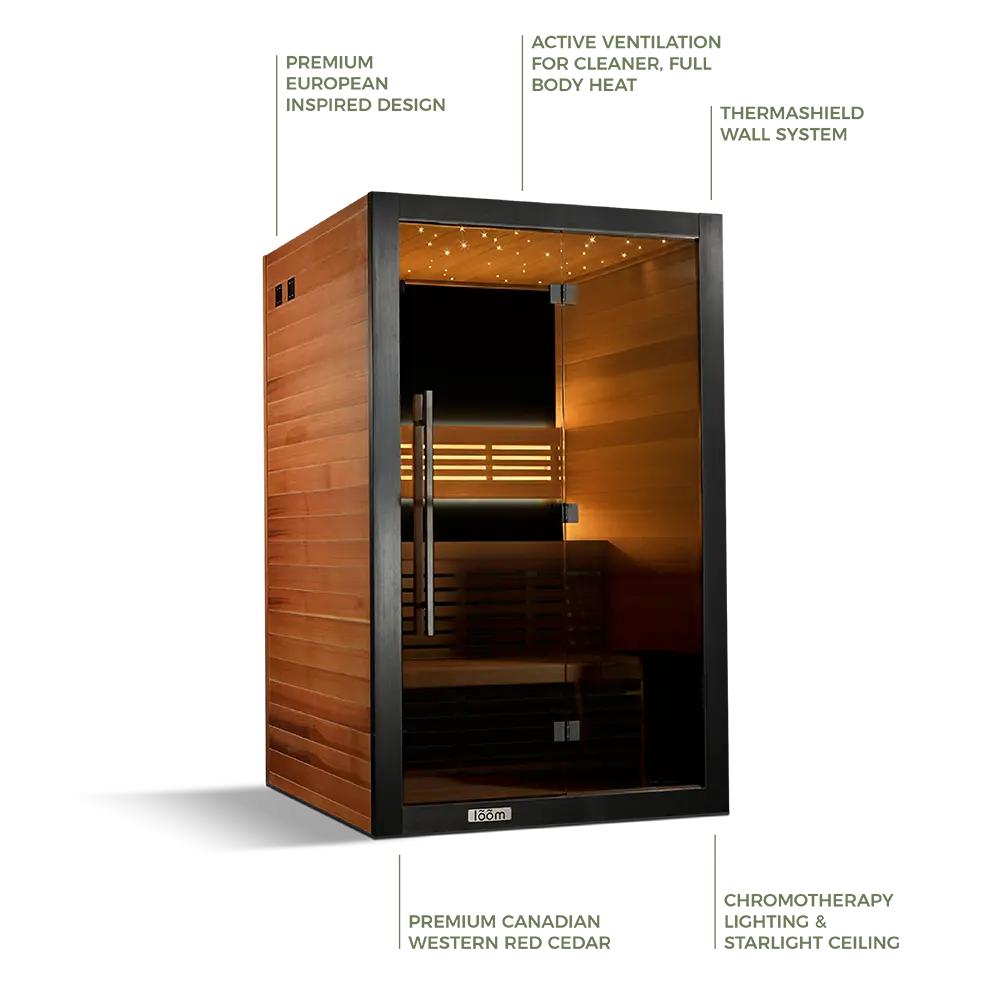


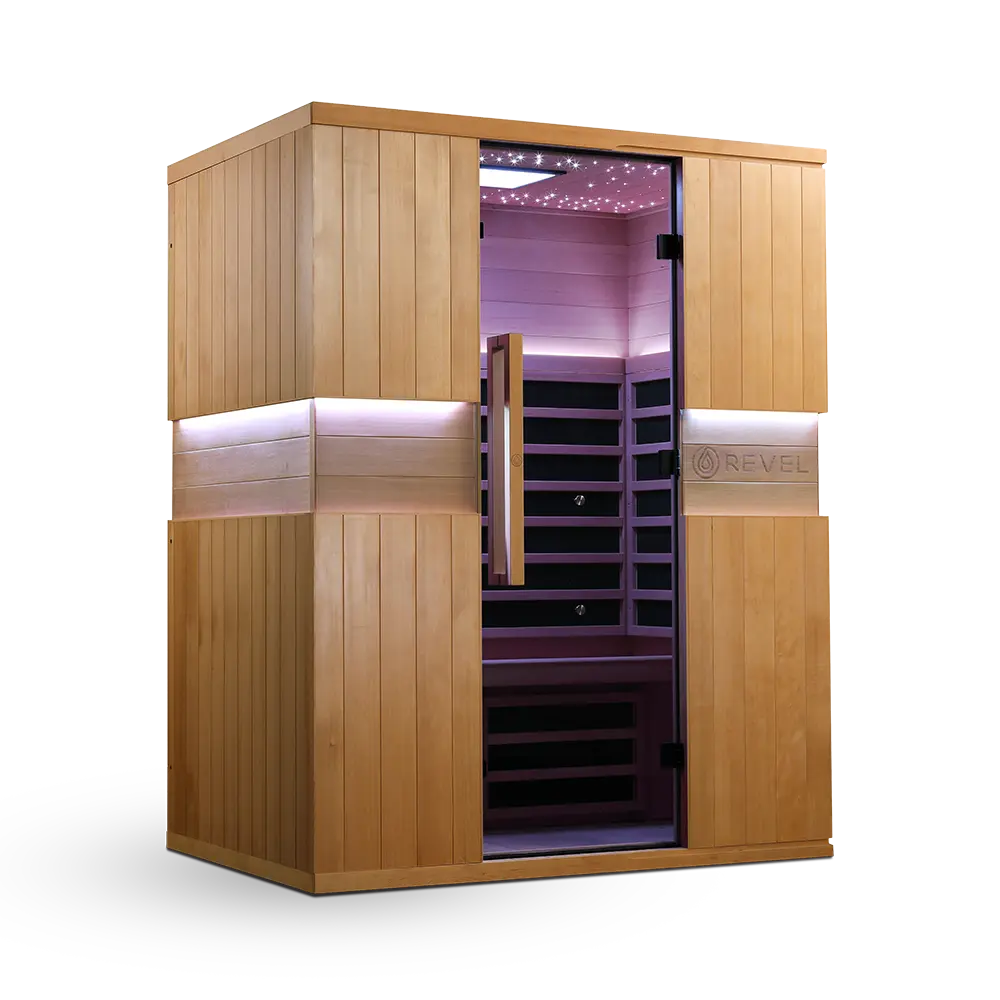
Revel Loom 2 Person Traditional Finnish Sauna - Next Gen
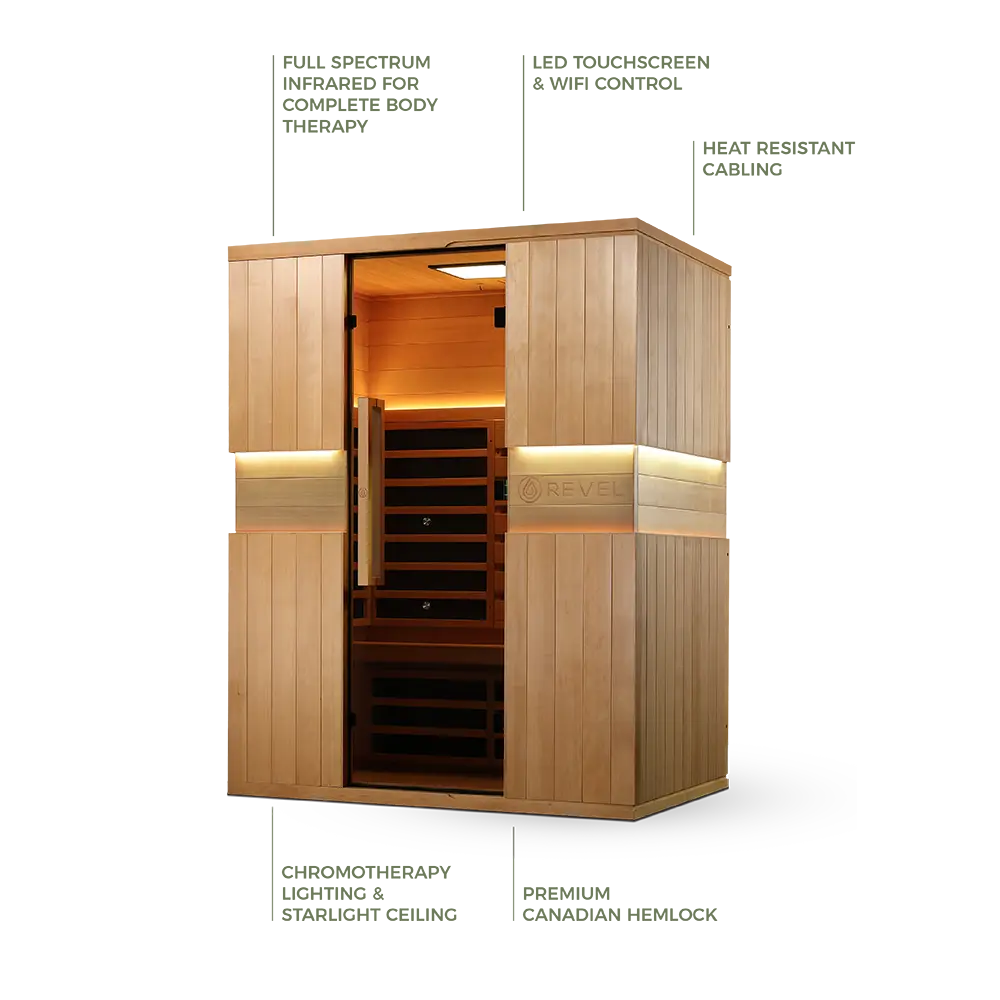
Traditional saunas heat the air (75–90°C) via a wood or electric heater, warming your body by convection. Infrared saunas use radiant panels (45–60°C) to heat your body directly, so sessions run cooler but longer for a comparable effect.
Yes, for most protocols - infrared's direct radiant heat can produce similar core temperature and cardiovascular load at a lower air temperature, provided session time is extended by roughly 30–50%.
Research shows the strongest cardiovascular benefits at 4–7 sessions per week, though even 2–3 sessions weekly shows benefit over no sauna use.
After. Using a sauna within 30 minutes of finishing training (the Recovery Protocol) activates heat shock protein HSP70, which helps repair muscle fibres and reduce soreness. Using a sauna before a workout can pre-fatigue muscles and isn't recommended
15–20 minutes for a traditional sauna (75–90°C), or 25–35 minutes for infrared (45–60°C) since it runs at a lower temperature. First-time users should start at 10–12 minutes and build up gradually.