ICE BATH PROTOCOLS

Research Backed Ice Bath Benefits.

A short, sharp drop in temperature that trains the nervous system to stay calm under stress.

Cold water immersion at 2–15°C triggers a rapid rise in dopamine and norepinephrine, reduces post-exercise inflammation, and activates brown fat metabolism. The temperature, duration, and timing determine the outcome - alertness, recovery, or metabolic adaptation. These protocols match the clinical evidence to goals you can actually train toward.

11 mins/week of cold exposure activates brown fat & boosts insulin sensitivity (Søberg et al., 2021)

°C

Typical ice bath temperature for best results

%

Average dopamine increase after brief cold immersion
(Huberman Lab)

%

Boosting Energy, Sharpening Focus and Regulating mood
(Humberman Lab)
Embrace the Chill

Ice Bath Protocols.

The Søberg Protocol

FREQUENCY

11 min/week total, 2–3 sessions

TEMP

Near freezing water (~2–8°C)

TIME

2–5 min/session

GOAL

Brown fat activation, insulin sensitivity

Studied in year round Copenhagen winter swimmers. This is the minimum effective weekly dose, not a daily habit.

Søberg S et al., Cell Reports Medicine, 2021

The Alertness Protocol

FREQUENCY

1–3 min at 2–7°C

TEMP

2–7°C

TIME

1-3 mins

GOAL

Sustained focus & mood for hours, no crash

Brief, very cold exposure is linked to a lasting catecholamine surge, a 2.5x rise in dopamine and 5.3x rise in norepinephrine were seen after a longer, clinically supervised 1-hr, 14°C immersion. This shorter dose is a practical extrapolation, not the exact protocol tested, stop early if shivering becomes uncontrollable.

Frontiers in Sports & Active Living, 2025

The Recovery Protocol

FREQUENCY

Active recovery days only, not after every session

TEMP

12–15°C

TIME

5–8 min

GOAL

Soreness relief without blunting hypertrophy gains

AVOID

Right after strength training if hypertrophy is the goal DATA+15% muscle mass (control) vs +2% (cold), 12 wks

The source study used a colder, longer dose (10°C / 10 min) under lab conditions. This milder version is scaled for unsupervised use; the underlying finding, CWI right after lifting blunted long-term muscle mass, strength, and fibre size vs. active recovery, still applies directionally at this gentler dose.

Roberts LA et al., The Journal of Physiology, 2015

Reduced Inflammation & Swelling

Increased Alertness & Dopamine

Improved Circulation

Increased Mental Resilience

Learn More

Benefits of Cold Exposure, Shivering & Brown Fat

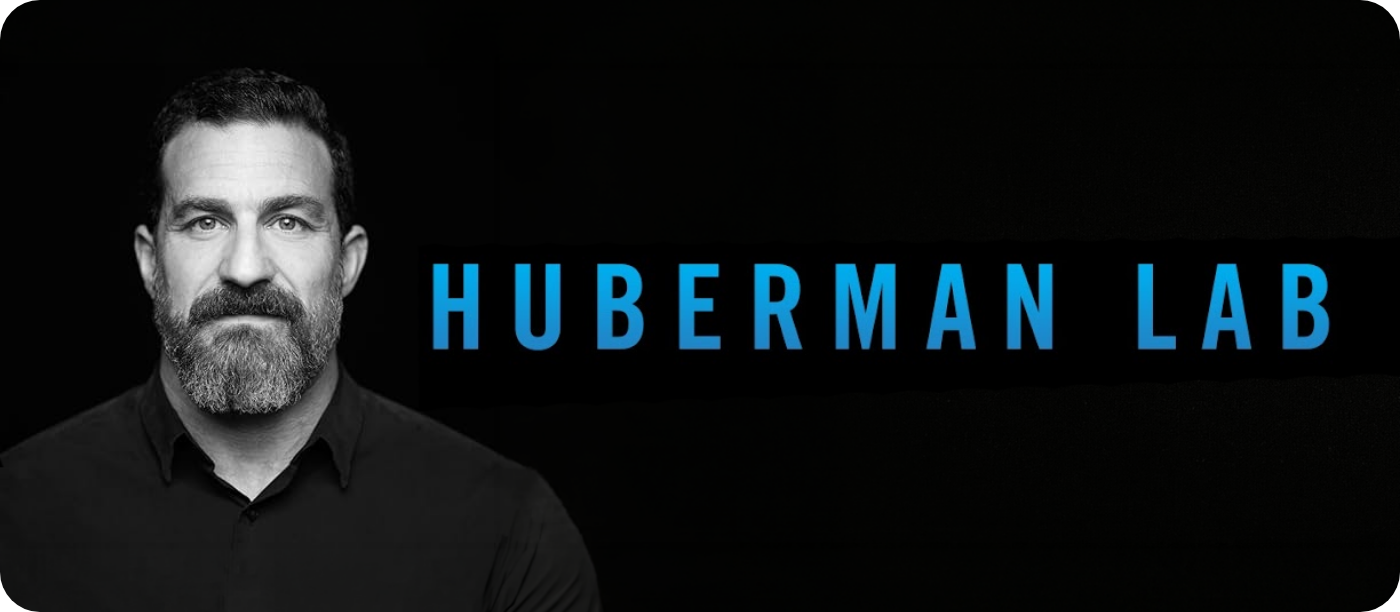
Dr. Andrew Huberman is a neuroscientist and tenured professor in the Department of Neurobiology at the Stanford University School of Medicine. He is currently the creator and host of the globally top-ranked Huberman Lab podcast.

WATCH NOW

Cold Water Immersion: Neuroendocrine and Fat Browning Effects

Use this section to explain a set of product features, to link to a series of pages, or to answer common questions about your products.

WATCH NOW

Cold exposure research has expanded rapidly over the past decade. Danish metabolism researcher Dr. Susanna Søberg spent a year studying year-round Copenhagen winter swimmers to find the minimum effective weekly dose. Neuroscientist Dr. Andrew Huberman has done the most to translate the catecholamine response into a usable protocol.

Key findings:

  • 11 minutes/week of cold exposure activates brown fat and boosts insulin sensitivity
  • ~2.5x rise in dopamine after brief cold immersion
  • Up to 5.3x rise in norepinephrine (catecholamines) over baseline

THE RITUAL IS SIMPLE

Heat. Cold. Repeat.

Protocols summarised from peer reviewed and published research (Laukkanen, Søberg, Roberts, Podstawski) and Huberman Lab. Individual results vary, and heat and cold therapy aren’t right for everyone. Talk to your doctor before starting a new protocol, especially if you’re pregnant or manage a cardiovascular condition.

FAQs

What temperature should an ice bath be?

Most protocols use 2–15°C depending on the goal. Colder water (2–8°C) for shorter durations targets brown fat activation and alertness; milder water (12–15°C) for longer sessions suits post-training recovery.

How long should you stay in a cold plunge?

1–5 minutes for most protocols, up to 8 minutes for milder recovery-focused immersion at 12–15°C. Total weekly cold exposure of around 11 minutes is the minimum effective dose shown in research.

Is cold plunging bad for muscle growth?

It can be, if used right after strength training. Studies show cold water immersion immediately post-lift blunts long-term muscle mass and strength gains versus active recovery. Save cold plunges for separate recovery days.

How often should I cold plunge?

2–3 sessions per week totaling around 11 minutes is the researched minimum effective dose for metabolic benefits. Frequency can be adjusted based on the specific goal (alertness vs. recovery vs. metabolic adaptation).

Does cold plunging spike cortisol in women, or lower it?

Both, briefly then long-term. Cold water immersion causes an initial acute cortisol spike as part of the stress response, but studies show cortisol drops back down and stays lower for up to three hours after a session. Women may see a larger initial cortisol spike than men, particularly from very cold or under-recovered sessions - moderating temperature and duration, and avoiding cold plunges when already run-down, helps keep the response beneficial rather than an added stressor.