

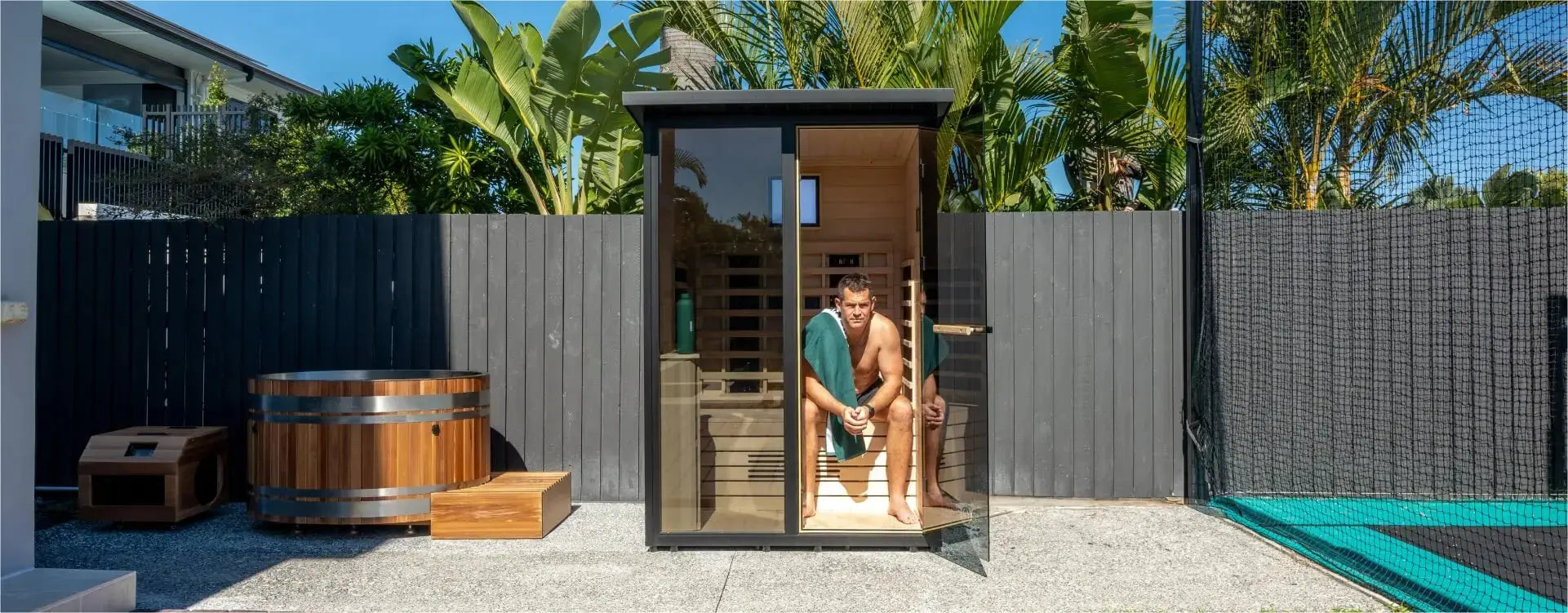
Men are less likely than women to seek medical help, talk about stress, or pay attention to early warning signs from their bodies. June’s Men’s Health Month exists to change that, and one of the most compelling conversations happening in men’s health right now has nothing to do with a doctor’s office.
Contrast therapy, alternating between heat and cold exposure, has been practiced in Scandinavian and East Asian cultures for centuries. Modern research is now confirming what those traditions seemed to understand intuitively: that deliberately stressing the body with temperature extremes triggers a cascade of adaptations that support long-term health. For men specifically, the evidence is worth paying attention to.

What Is Contrast Therapy?
Contrast therapy is the practice of alternating between heat and cold exposure, typically a sauna session followed by an ice bath (also called a cold plunge), repeated for multiple rounds.
A standard protocol looks like this:
-
10–20 minutes in the sauna at 80–90°C
-
2–5 minutes in cold water (10–15°C)
-
Repeat 2–3 rounds
-
End on cold for recovery, or warm for relaxation
The contrast between heat and cold forces your body to adapt in ways that a single modality can’t achieve on its own.

What the Research Says: Contrast Therapy & Men’s Health
Heart Health
Cardiovascular disease remains the leading cause of death in men. A large Finnish cohort study found that men who used a sauna 4–7 times per week had a 50% lower risk of cardiovascular disease compared to those who used it once a week. Researchers believe regular heat exposure trains the cardiovascular system similarly to moderate aerobic exercise, improving arterial flexibility, reducing blood pressure, and lowering resting heart rate. Cold exposure adds another dimension: forcing blood vessels to rapidly constrict and dilate builds vascular resilience over time.
Mental Health and Stress
Men are significantly less likely to seek help for mental health, yet depression, anxiety, and burnout are increasingly common across every age group. Contrast therapy doesn’t replace professional support, but the physiological effects are real. Sauna use has been shown to reduce cortisol, the hormone most associated with chronic stress. Cold exposure triggers a sharp release of norepinephrine, a neurotransmitter linked to alertness, mood, and attention. The subjective report from most men after a contrast session is simple: they feel better. Calmer. More like themselves.
Sleep Quality
Poor sleep is a public health problem that disproportionately affects men, and its downstream effects, on mood, testosterone, weight, and cognition, are significant. Core body temperature needs to fall to initiate deep sleep. The sauna elevates it; the ice bath drops it sharply. This sequence appears to prime the body for deeper, more restorative sleep. Studies report improvements in both deep and REM sleep cycles among regular contrast therapy users.
Recovery and Physical Resilience
Heat increases blood flow and relaxes muscle tissue. Cold reduces acute inflammation and helps flush metabolic byproducts from hard training. A meta-analysis found contrast therapy more effective than cold immersion alone for reducing post exercise muscle soreness. For men who train, or who do physical work and feel the accumulation of that in their body, this is a meaningful finding.
Hormonal Health
Testosterone and growth hormone both decline with age, and both are sensitive to lifestyle factors. Extreme heat has been shown to cause a temporary increase in growth hormone secretion. Cold exposure may have modest short term effects on testosterone, though the evidence here is still developing. What’s clearer is the indirect pathway: better sleep, lower cortisol, reduced systemic inflammation, and improved cardiovascular health all create the conditions for hormonal balance. Contrast therapy addresses several of those factors at once.
How to Start: A Simple Protocol
You don’t need to travel to a spa or a Scandinavian bathhouse. A home sauna and cold plunge are increasingly accessible, and the protocol itself is straightforward.
A basic starting point:
-
10–15 minutes in the sauna (80–90°C)
-
2–3 minutes in cold water (10–15°C)
-
Repeat 2–3 rounds
-
End on cold for recovery, or warm for relaxation
Once a week is a reasonable start. Most men who stick with it settle into 3–4 sessions per week. The first few sessions are uncomfortable. That discomfort is part of the mechanism, and it passes faster than you’d expect.
Frequently Asked Questions
How long should you stay in a sauna before an ice bath?
Most protocols recommend 10–20 minutes in the sauna at 80–90°C before transitioning to cold water. Beginners should start at the lower end (10 minutes) and build tolerance gradually.
What temperature should an ice bath be?
A therapeutic ice bath sits between 10–15°C (50–59°F). Colder is not always better, this range is where research shows the strongest benefits without unnecessary risk.
Is contrast therapy safe for men with heart conditions?
If you have a heart condition, high blood pressure, or other cardiovascular concerns, speak to your doctor before starting contrast therapy. Both extreme heat and cold place short-term demands on your cardiovascular system.
How often should men do contrast therapy?
Research points to 3–4 times per week as an effective frequency for most men. Daily use is generally safe but may not be necessary to see significant health benefits.
The Bottom Line
Men's health is often framed around what to stop doing, drinking less, eating less, sitting less. Contrast therapy is something to add. Thirty minutes, a few times a week, with measurable effects on heart health, sleep, stress, and recovery. The research is solid, the barrier to entry is low, and the subjective experience, once you get past the first plunge, tends to speak for itself.
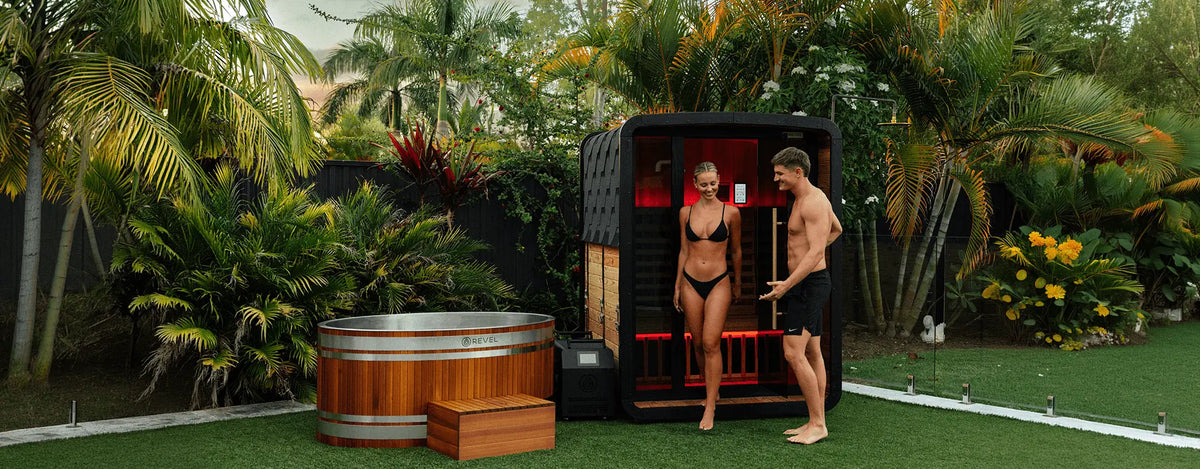
If you're looking at how to set up a contrast therapy routine at home, Revel offers saunas and ice baths designed for exactly that.


Share:
Is Hotter Better?
Grounding and Connection: Reflecting on Holistic Wellness This NAIDOC Week